

After months of conversations with students, teachers, and administrators, I’ve come to realise that the biggest questions about AI in education aren’t technical — they’re emotional. They’re existential. And they’re hitting the classroom like a tidal wave.
“Is it cheating if I just use ChatGPT to get started?”
That question comes up again and again. It might sound innocent — like using pencil before tracing in ink. But behind it is a deeper anxiety: Am I learning less? Am I falling behind by doing it the “hard” way? Am I missing out?
Let’s get this out of the way: AI is not the enemy. But how we use it — or more often, fail to guide its use — absolutely can be.
AI, especially generative tools like ChatGPT, Claude, or Gemini, is the most powerful shortcut students have ever encountered. It sits in the same pocket as TikTok and Instagram, offering fast answers, clean summaries, even fully-formed essays. And the temptation to rely on it — instead of struggling through the messy middle of learning — is overwhelming.
I’ve heard it straight from students: “My roommates get As using AI in seconds. I spend all night writing and get a B. Am I just dumb for trying to do it myself?”
When we give students AI with no guidance, no frameworks, and no expectations for how to use it, we aren’t helping them get ahead — we’re accelerating hollow success. We’re giving them tools that solve problems too fast, robbing them of the friction that builds skill, confidence, and resilience.
Imagine handing someone the keys to a self-driving car at 16 and saying, “Figure it out.” That’s what we’re doing with generative AI. And it’s not working.
The Opportunity: When AI Is Used Well
But it doesn’t have to be this way. I’ve also seen the right kind of AI use unlock incredible progress — not just faster essays, but sharper thinking.
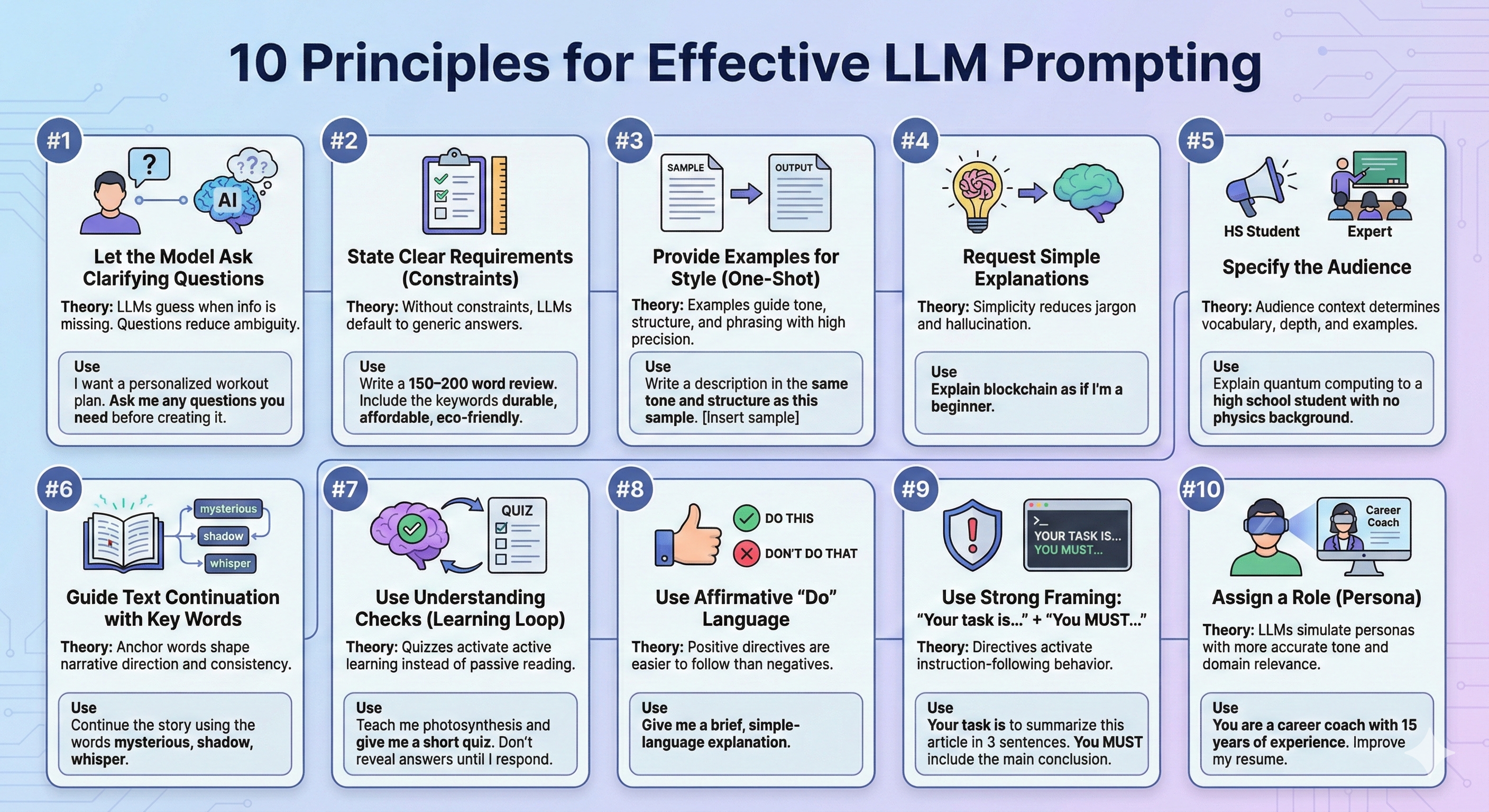
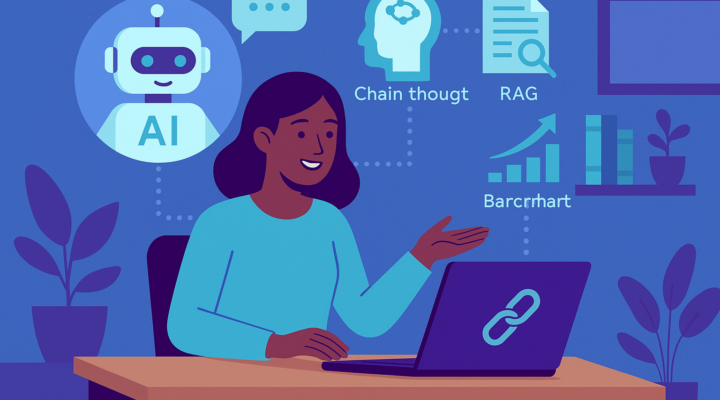
When students use Retrieval-Augmented Generation (RAG) to ground their arguments in real research, when they use Chain-of-Thought prompting to walk through a complex analysis step-by-step, or when they pair LLMs with visual tools like diagrams or code sandboxes to validate their outputs — something incredible happens.
They think deeper. They ask better questions. They become more curious, not less.
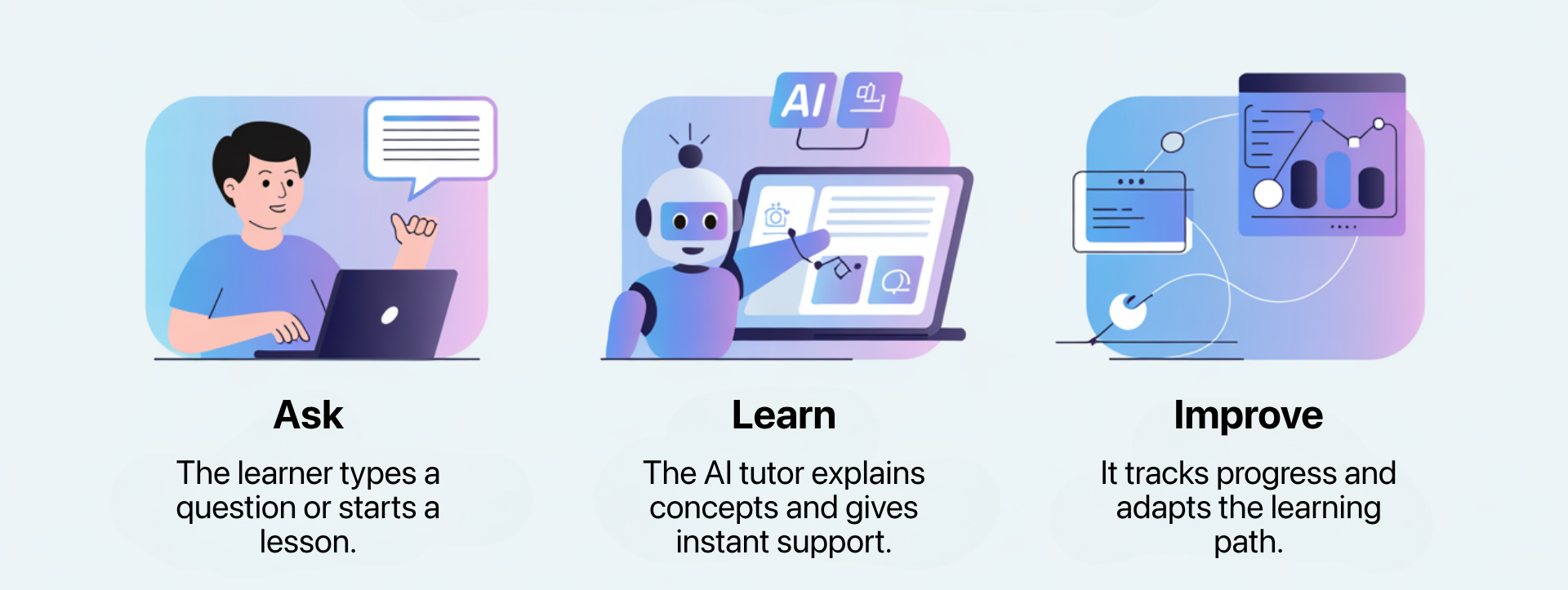
Used well, AI becomes a co-pilot — a partner that challenges them, not a crutch that carries them.
Practical Advice: How to Use AI Without Losing the Learning
For students, educators, and parents navigating this tricky new terrain, here are some practical tips I’ve collected from classrooms across the country:
🔍 Ask Before You Use
Before prompting an AI tool, ask:
What am I actually trying to learn here?
Let AI support the process, not skip it. Use it to generate ideas, check your logic, or explore alternate solutions — but don’t outsource your thinking.
🧠 Think in Chains, Not Endpoints
Use Chain-of-Thought prompting to make your reasoning visible. This trains you to think through problems, not just arrive at answers.
🧾 Show Your Work
If you use AI for a project, keep a record: your prompts, the responses, the edits you made, and what you learned in the process. Treat it like a lab report. Make the journey visible — not just the destination.
🔁 Validate Everything
AI can be confidently wrong. Always verify its outputs, especially when dealing with math, code, or citations. Cross-reference with trusted sources.
🧱 Build First, Then Optimize
In coding classes, encourage students to hand-code first. Learn the fundamentals — then bring in AI tools to refactor, clean up, or generate alternatives. That sequence matters.
📚 Go Beyond the Answer
Ask questions like:
“What’s missing from this response?”
“What assumptions is the AI making?”
“What would a counterargument be?”
These deepen your understanding and train you to be critical, not just compliant.
What Educators and EdTech Designers Can Do Better
This isn’t just a student problem. As a product manager working with educational tools, I believe it’s our job to:
🔍 Build in transparency by default.
Tools like prompt histories and revision tracking aren’t just about catching plagiarism — they’re about showing the thinking that went into the work. When we make the creative process visible, we help both students and educators reflect, iterate, and grow.
📚 Make AI literacy a core skill, not an afterthought.
Understanding how to prompt, evaluate outputs, and question biases is as fundamental today as knowing how to write a research paper. This shouldn’t be an optional workshop or a special project — it needs to be part of the curriculum, woven into how we teach and learn across the board.
🛠 Design assignments that value process over polish.
If we only reward the final product, we’re pushing students toward shortcuts — including offloading work to AI. But if we recognize drafts, feedback cycles, and the evolution of ideas, students engage more deeply. They learn how to use AI as a tool, not a crutch.
🌱 Create safe-to-fail environments.
Students need space to try things, mess up, and learn from the experience. That includes learning how to use AI. We should be encouraging exploration, not punishing experimentation. Real learning happens when it’s okay to take risks.
🧭 Support educators with practical, ethical guidance.
Many teachers are overwhelmed right now. They don’t need vague warnings or sweeping bans — they need simple frameworks, examples of what “good” AI use looks like in practice, and support in setting expectations that actually help students learn.
Let’s stop pretending banning AI is a solution. The real challenge — and opportunity — is helping students use it thoughtfully. That’s where the real learning begins.
Final Thought: The Voice Behind the Output
ChatGPT can give them words. But it can’t give them a voice.
Our job — whether as educators, technologists, or mentors — is to help this next generation own their thinking. We need to move beyond efficiency and help them build integrity, creativity, and confidence.
That only happens when students wrestle with ideas, revise their mistakes, and find their own way through the fog — sometimes with AI, sometimes without.
We don’t need to fear the future of learning. But we do need to shape it — together.
Make the first step and enjoy the journey!
- No limited trial period
- No upfront payment
- No automatic renewal
- No hidden costs